Day 4 April 30, 2026 Baku Azerbaijan
We are going further from the city today. A huge shopping mall is on the outskirts of town. Anything and everything can be purchased here. We had seen other malls around the city but this one surpassed those all together. Adjacent to that was a large industrial area. A newer neighborhood for the wealthy is under construction. The houses are so large they look like churches or hotels. A big resort was planned but for whatever reason has stopped.
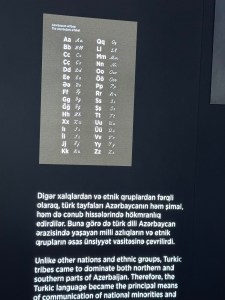
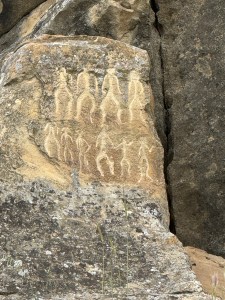
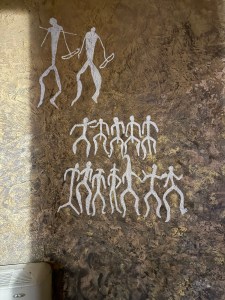
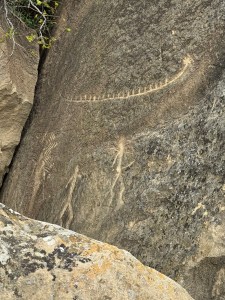
We drove for nearly an hour to get to the petroglyphs. The Gobustan Rock Art Cultural Landscape is a historic site in Azerbaijan, comprising a large collection of petroglyphs that reflect the flora, fauna, hunting practices, social structures, and cultural expressions of human societies from prehistoric to medieval times. These engravings provide detailed depictions of figures, such as lance-bearers and ritualistic dance scenes, as well as various animal species, bullfighting events, camel caravans, and celestial symbols such as the sun and other stars. Estimated to date back approximately 5,000 to 20,000 years, the rock art offers insight into the spiritual life and daily activities of early human populations in the region. It is recognized as a UNESCO World Heritage Site. We started in the museum portion. This was very well done with lots of information. The only problem was it was so dark it was difficult to read. The signage had both local and English. One automated display could be seen to depict how the Caspian Sea had changed over the centuries. We were amazed how often the sea had risen and receded. At one time the entire area was under water. There were actually tour buses and vans here. A large group from South Korea walked very swiftly through the museum. They could not possibly have seen anything let alone study it.
We drove further up the mountain to another parking lot. Even more buses and vans. A rock musical instrument was just out of the parking lot. A log looking thing that when hit with a stone made beautiful sounds. Petroglyphs dating back approximately 5,000 to 8,000 years, include depictions of longships that closely resemble Viking ships. The presence of these ship depictions among the rock carvings suggests possible cultural connections or maritime interactions between the inhabitants of the region and those of the Mediterranean and other European regions.
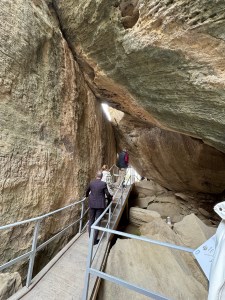
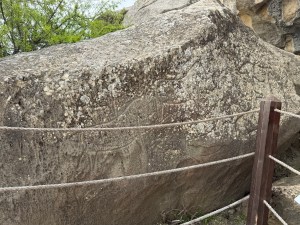
The landscape is strewn with large rocks. The positions would indicate movement caused by earthquakes. The petroglyphs are carved into the rock. Sometimes looking at them with the phone is better. Paths around the area are made from rock and are relatively smooth. Lots of groups including school age kids.
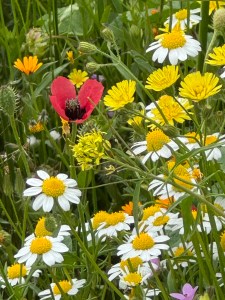
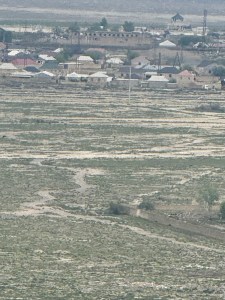
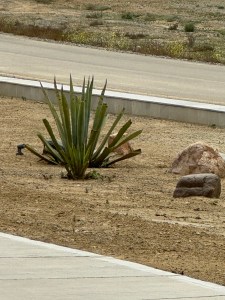
Now it is off to the mud pots. The terrain between is semi arid. The plant life is green but will soon turn brown with the heat. We saw one large band of sheep on the way. Lots of different colors. They will be heading to higher ground for the summer. No fences anywhere.
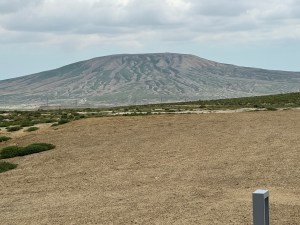
We pass the largest mud volcano in the world. It looks much like any other mountain. About half of the world’s mud volcanos are in Azerbaijan. Many are under the Caspian Sea. Mud volcanos are usually found near large concentrations of oil. The gas brings up materials from deep in the earth. The mud is very dark gray brown. Possibly due to oil. The mud bubbles and spills over the top forming the mountain. They can also erupt sending flames high in the sky. This spot has some but not lots. They are in some ways similar to Yellowstone and some ways not. Both bubble or burp but these are caused more by natural gas rather than geothermal water.
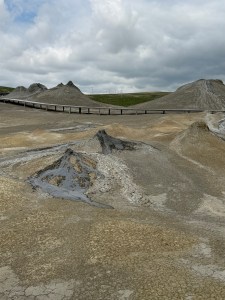
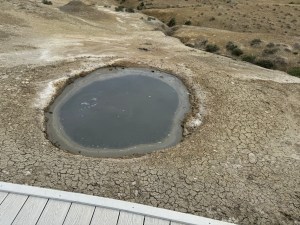
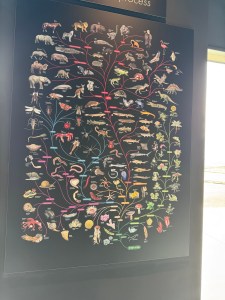
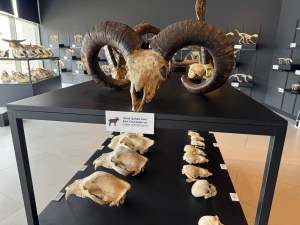
A small museum nearby contains skeletons of many different animals. They had all existed here at one time or another. We learned earlier that lions and leopards had once lived here. There were no skeletons of human beings. On the walk around the pots there were warning signs of scorpions and snakes. Aparently waiting to get you if you got off the boardwalk.
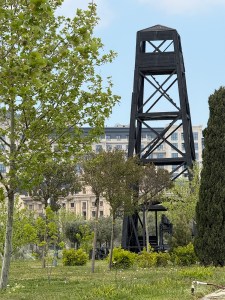
On the way back we past the site of the first oil well and the main mosque of the city. Interestingly they do not have calls to prayer. Also drove down a large street where a synagogue was on each side of the street. Overall there is quite a mix of religions present and they all get along quite well, What a great idea.
 Spoffords Travel